Headless CMS: A Game-Changer for Modern Websites

In today’s digital landscape, Content Management Systems (CMS) are crucial for businesses working to maintain dynamic websites. In this article, we’ll explore the world of CMS, delve into the concept of Headless CMS, and discover why TekCreative highly recommends it for building high-performance websites.
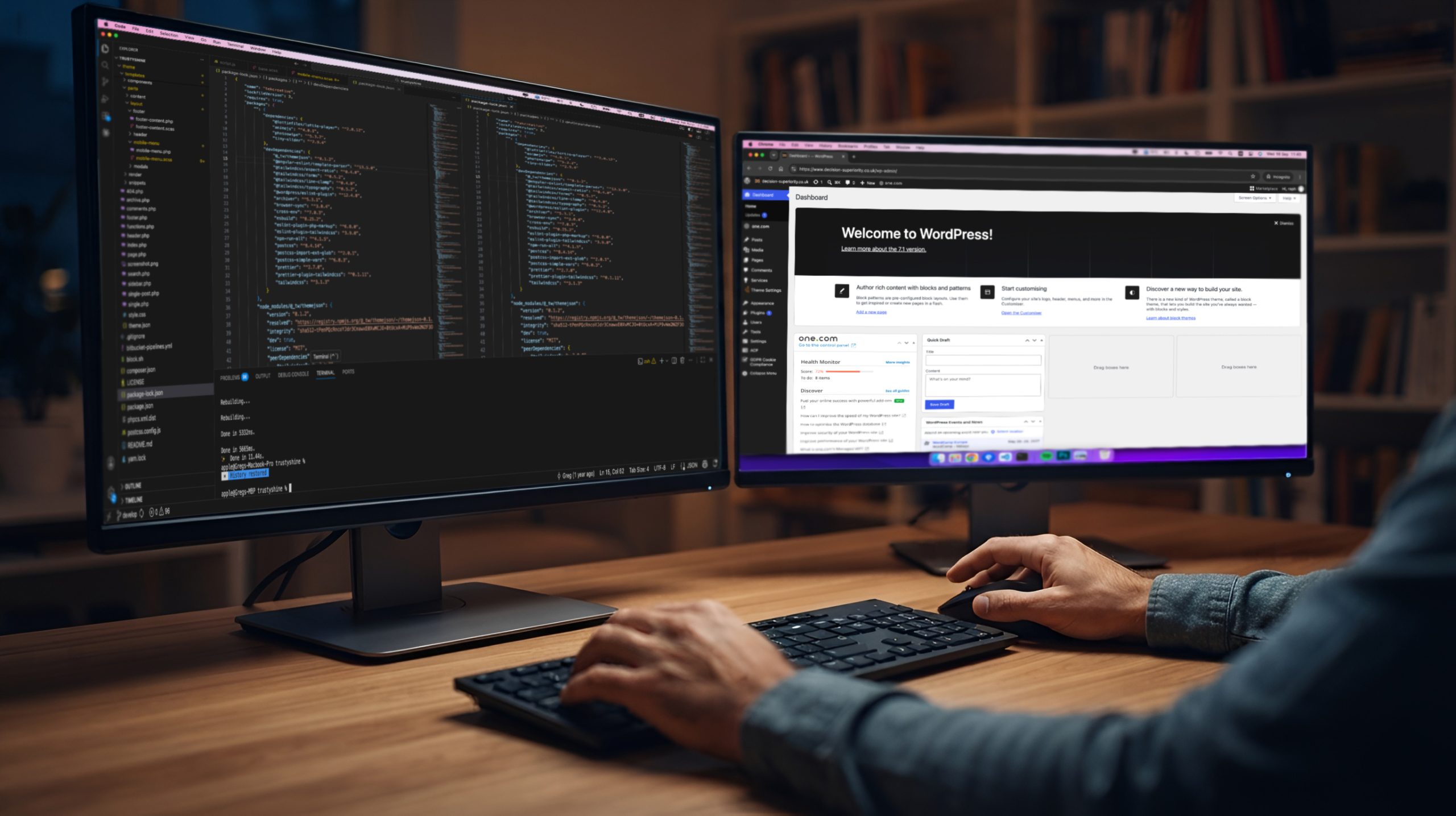
CMS and Headless CMS Web Development

What is a CMS?

A Content Management System, widely known as CMS, is a dynamic web-based application that allows administrators to efficiently update website content, create new pages and posts, and replace media elements without the need for coding expertise. The value of CMS lies in its intuitive interface, which resembles an interactive platform. Here, content can be edited using user-friendly editors, making it accessible even to individuals without a background in web development.

CMS platforms come in various flavours, with examples such as WordPress, Drupal, Joomla, OpenCart, Squarespace, Hubspot, Ghost, and Umbraco, each offering distinct levels of customization and ease of use. Nevertheless, their shared goal remains to empower administrators to take charge of their website content.

What is a Headless CMS and its Advantages?

With the evolution of technologies and the rise of new frameworks, a unique need emerged – how to combine the user-friendliness of a CMS like WordPress with the performance of a library like React, Vue, Angular, etc. The solution was to utilize APIs to separate the backend data management from the content presentation, and that is a game-changer. This concept birthed the Headless CMS, which is now revolutionizing the industry.

A Headless CMS distinguishes itself by decoupling the presentation layer, where content is displayed, from the backend, where content is managed. In simple terms, it allows you to manage your backend data using your preferred CMS while displaying it in different front-end technologies, such as React.

Key Advantages of a Headless CMS

  • Multi-Channel Support and Content Reusability: Content can be effortlessly delivered to various platforms and devices, including websites, mobile apps, IoT devices, and more. This streamlines the process of maintaining consistency across different platforms.
  • Front-End Freedom: Developers gain the flexibility to choose any technology or framework for the front-end, without being restricted by the CMS’s built-in templates. This offers limitless creative possibilities and ensures that content remains at the forefront.
  • Improved Performance: Headless CMS reduces the bloat associated with traditional CMS systems. Front-end code can be optimized for exceptional performance, and the use of image optimizers and content served by the CMS contributes to an improved user experience.
  • Enhanced Security: With the front-end and back-end decoupled, security risks on the front end do not automatically translate to vulnerabilities in the back-end CMS. This separation adds an extra layer of security.

Why TekCreative Proposes Headless CMS

At TekCreative, we’ve witnessed the increasing demand for Headless CMS, primarily driven by the remarkable performance it offers when combined with Next.js and because of its modern approach. Our clients frequently opt for WordPress in combination with GraphQL and Next.js to achieve outstanding results, often scoring up to 100 points on Lighthouse tests. We also explore alternatives for used CMS such as Ghost or Drupal, but WordPress remains our top choice.

By using Next.js alongside WordPress or another CMS, our clients leverage several advantages, including:

  • Excellent Performance: Exceptional load times and user experience.
  • Load Time Optimization: Utilizing “lazy loading” and automatic code splitting.
  • Developer-Friendly: A wealth of developer support and resources.
  • Faster Time to Market: Accelerated development timelines.
  • Enhanced SEO: Improved search engine visibility and ranking.

Conclusion

In conclusion, Headless CMS is an innovative solution that empowers businesses to break free from traditional CMS limitations, offering unparalleled flexibility, performance, and security. TekCreative serves as a clear example of the potential of Headless CMS, consistently delivering high-quality websites that meet the evolving demands of today’s digital landscape.

featured posts

You might also like…

This is three col posts


A Simple Guide for an E-commerce project

Open post

Are You Nailing On-Page Search Engine Optimization (SEO)?

Open post

Optimizing WordPress: Streamlining with Essential Plugins

Open post

Web Design vs. Web Development

Open post

WooCommerce vs. Shopify in 2026 – E-Commerce Dilemma

Open post
WHY US

Why choose TekCreative?

We’re technical specialists who work across development, rebuilds and migrations, performance optimisation and ongoing support. We look at the code, database, integrations and infrastructure behind a platform, not just the visible frontend.

We don’t recommend a technology simply because it is newer, and we don’t build custom software when an existing platform is sufficient. We assess the requirements, explain the options and choose an approach that fits the project.

Our work is based on measurable technical information wherever possible. We use profiling, testing and performance data to understand what is happening, then use that information to guide the work.

Results You Can Measure

We use technical measurements where they are relevant to the project, including performance data, Core Web Vitals, server response times, database performance and other project-specific indicators.

We Own the Technical Work

We work directly on the platforms we develop and support, with the technical decisions and implementation handled by our development team rather than passed through multiple layers.

We Don't Disappear After Launch

Launch is not necessarily the end of the technical work. We can continue with monitoring, maintenance, troubleshooting, performance improvements and further development as the platform evolves.

50+

Projects Delivered

5+

Years of Expertise

CONTACT US

Get in touch

Have a platform that needs improving, a new system to build, a migration to plan or technical problems that need investigating? Tell us what you’re working with, and we’ll give you a clear view of the possible approach.

Give us a call and get an answer in seconds

Speak directly with our team about your platform, what you’re trying to improve and the technical challenges you’re facing. We’ll give you an honest view of what would be involved and where we can help.

Fill the contact form and we will contact you

Tell us about your current platform, what isn’t working properly, what you’re trying to build or where you need technical support. We’ll review the details and come back with a clear assessment and next steps.

A Simple Guide for an E-commerce project

In the age of digital entrepreneurship, many individuals aspire to bring their products and services to the vast online market. While it’s easy to start on Amazon or eBay, those looking to establish a distinct brand identity and maintain complete control will find that creating their own e-commerce store is the preferred route. In this guide, we’ll explore the essential steps to launch your successful online venture.

Woocommerce, Shopify – E-commerce websites

In the age of digital entrepreneurship, many individuals aspire to bring their products and services to the vast online market. The availability of online tools and marketplaces has made this goal easier than ever. While it’s easy to start by selling on established platforms like Amazon or eBay, those looking to establish a distinct brand identity, minimize operational costs, and maintain complete control over their products and services will find that creating their own e-commerce store is the preferred route.

Whether you’re a burgeoning startup or a well-established enterprise, the most effective and simple way to sell online is by owning your e-commerce store. This not only gives you the freedom to handle inventory, create product displays, and manage sales and costs but also makes sure that your marketing efforts directly help your brand. Additionally, it enhances the visibility, credibility, and search engine ranking of your website.

Essential Steps to Launch Your E-commerce Store

1. Selecting the Right Content Management System (CMS)

The initial challenge you’ll encounter when building an e-commerce store is choosing the most suitable Content Management System (CMS). This decision is pivotal, as it will determine your ability to manage website content, products, images, and text without the need for an extensive IT department. Popular CMS options include:

  • WordPress + WooCommerce: Flexible, open-source, cost-effective
  • Shopify: Hosted, user-friendly, subscription-based
  • OpenCart, Prestashop, BigCommerce: Each with unique strengths

TekCreative’s Recommendation: We frequently advocate for WordPress + WooCommerce, especially for small and medium-sized e-commerce stores. Surprisingly, even stores with an extensive array of products can effectively utilize WooCommerce without encountering significant issues.

2. Legal and Compliance Considerations

Ensure that your future e-commerce store complies with all relevant laws and regulations. This includes addressing privacy policies, terms and conditions, as well as acquiring any necessary licenses or permits, especially if your products have specific legal requirements. This step is crucial for protecting both your business and customer interests.

3. Obtain Hosting and a Domain

If you haven’t already secured a domain, choose one that aligns with your brand or product offerings and is easy for customers to remember. When it comes to hosting, opt for a reliable, preferably cloud-based service with robust customer support.

4. Create a Comprehensive Product List

E-commerce covers a wide array of offerings, including physical goods, digital products, memberships, subscriptions, and services. Create a detailed product list, and consider using a CSV spreadsheet to store essential product information like SKU, title, description, prices, categories, images, and more. This spreadsheet can be easily imported once your e-commerce platform is set up.

5. Prepare Product Descriptions and Images

Compelling product listings rely on informative content. Craft succinct yet thorough product descriptions, incorporate detailed specifications, and provide high-quality images, multiple angles, and even videos to help customers make informed decisions.

6. Choose a Payment Gateway

To facilitate secure transactions, select a payment gateway that aligns with your business needs. Our recommendation is Stripe, appreciated for its versatility, ease of integration, and support for “Google Pay” and “Apple Pay.” Other viable options include PayPal, Square, and WooCommerce Payments, with your choice contingent on fees and integration costs that suit your comfort level.

7. Shipping Strategy

If your e-commerce business deals in physical products, establish a transparent shipping policy. Develop a comprehensive list of regions you serve and their corresponding delivery costs, allowing for easy, upfront shipping fee calculations. Customize prices based on factors like quantity, volume, or distance, and consider integrating tracking or delivery services for enhanced customer experience.

8. Set Up Functional Email Addresses

Maintain separate email addresses for general inquiries and sales inquiries to ensure you never miss an order notification. Verify the functionality of your email addresses and ensure that your new website is effectively sending notifications.

Let TekCreative Guide Your E-commerce Journey

By following these steps and considering the recommendations provided, you can confidently embark on your e-commerce journey. To make this process even smoother, TekCreative is here to assist in designing and building your e-commerce website. Our experts will ensure your site is fast, accessible, and fully functional. In our discovery sessions, we will work closely with you to define your goals and guide you in making informed decisions, allowing you to fully enjoy your online business venture. Wishing you great success with your e-commerce journey!

featured posts

You might also like…

This is three col posts

Are You Nailing On-Page Search Engine Optimization (SEO)?

Open post

Headless CMS: A Game-Changer for Modern Websites

Open post

Optimizing WordPress: Streamlining with Essential Plugins

Open post

WooCommerce vs. Shopify in 2026 – E-Commerce Dilemma

Open post

Web Design vs. Web Development

Open post
WHY US

Why choose TekCreative?

We’re technical specialists who work across development, rebuilds and migrations, performance optimisation and ongoing support. We look at the code, database, integrations and infrastructure behind a platform, not just the visible frontend.

We don’t recommend a technology simply because it is newer, and we don’t build custom software when an existing platform is sufficient. We assess the requirements, explain the options and choose an approach that fits the project.

Our work is based on measurable technical information wherever possible. We use profiling, testing and performance data to understand what is happening, then use that information to guide the work.

Results You Can Measure

We use technical measurements where they are relevant to the project, including performance data, Core Web Vitals, server response times, database performance and other project-specific indicators.

We Own the Technical Work

We work directly on the platforms we develop and support, with the technical decisions and implementation handled by our development team rather than passed through multiple layers.

We Don't Disappear After Launch

Launch is not necessarily the end of the technical work. We can continue with monitoring, maintenance, troubleshooting, performance improvements and further development as the platform evolves.

50+

Projects Delivered

5+

Years of Expertise

CONTACT US

Get in touch

Have a platform that needs improving, a new system to build, a migration to plan or technical problems that need investigating? Tell us what you’re working with, and we’ll give you a clear view of the possible approach.

Give us a call and get an answer in seconds

Speak directly with our team about your platform, what you’re trying to improve and the technical challenges you’re facing. We’ll give you an honest view of what would be involved and where we can help.

Fill the contact form and we will contact you

Tell us about your current platform, what isn’t working properly, what you’re trying to build or where you need technical support. We’ll review the details and come back with a clear assessment and next steps.

WooCommerce vs. Shopify in 2026 – E-Commerce Dilemma

Navigating the dynamic realm of e-commerce demands careful consideration of the platform you choose. In this constantly evolving landscape, the decisions you make can significantly impact the success of your online venture. Two prominent contenders, WooCommerce and Shopify, emerge with unique offerings that cater to diverse business needs. In this comprehensive article, we delve into the intricacies of each platform, providing valuable insights to guide you through the complexities of the digital marketplace and empower you to make an informed choice for your online business.

WooCommerce vs Shopify – an explainer from Tekcreative

Understanding WooCommerce and Shopify

In the vast and ever-evolving landscape of e-commerce, two formidable players, WooCommerce and Shopify, stand out with distinctive features that can shape the destiny of your online business.

WooCommerce, a dynamic WordPress plugin, beckons entrepreneurs with the allure of open-source freedom. Delving into its capabilities, it seamlessly integrates with WordPress websites, showcasing its adaptability prowess. Whether you’re selling physical products, digital downloads, or a mix of both, WooCommerce flexes its muscles, offering a versatile platform tailored to various product types.

On the flip side, enter Shopify—a platform that positions itself as the epitome of simplicity and speed. Designed for those who prioritize ease of use and swift implementation, Shopify is a haven for smaller ventures and individuals less inclined towards technical intricacies. Picture a user-friendly interface that empowers users to set up shop quickly, making it an enticing option for those embarking on their online journey.

In this article, we unravel the layers of WooCommerce and Shopify, presenting you with a nuanced understanding of their strengths and weaknesses. Whether you’re drawn to the open-source flexibility of WooCommerce, the streamlined simplicity of Shopify, or the intricate process of decoding the features that suit your business best, we provide the facts and insights you need to navigate the intricate world of e-commerce and propel your online venture towards success.

Set-up Costs

  • WooCommerce: The WooCommerce journey usually kicks off with no upfront costs. Hosting, domain registration, and optional premium themes constitute the initial investment, offering flexibility in choosing budget-friendly options. It’s worth noting that, similar to Shopify, a domain purchase is also a requirement for a Shopify website, and premium themes may involve additional costs on both platforms. However, WooCommerce’s open-source nature allows for a broader spectrum of theme choices, often available at more competitive prices within the WordPress ecosystem.
  • Shopify: On the Shopify side, the set-up cost includes a minimum subscription fee starting at £25 per month. In addition to the subscription, there are transaction fees of 2% + 25p online and 1.7% + 0p in person. It’s essential to factor in these costs, along with potential expenses for premium themes and domain purchases, making the initial investment in a Shopify store relatively higher compared to WooCommerce.

Theme Development Costs

  • WooCommerce: WooCommerce taps into a vast community and marketplaces like Themeforest, where premium themes can be snagged for as low as £15. Custom themes, a testament to its flexibility, can be tailored for a starting price of £7000.
  • Shopify: Premium themes in the Shopify realm may demand a minimum of £50. When it comes to custom themes, brace yourself for a starting price of £9000, potentially up to 35% more expensive than a WooCommerce counterpart for similar functionality and design.

Monthly Costs

  • WooCommerce: Monthly costs in the WooCommerce realm hinge on hosting, with options as low as £5/month. This flexibility empowers businesses to tailor costs to their unique needs.
  • Shopify: A minimum monthly subscription fee of £25 and transaction fees loom over Shopify users. Costs can escalate to £344/month for advanced packages, making it a comparatively pricier choice for specific business models.

Plugin Costs

  • WooCommerce: The WordPress ecosystem boasts a myriad of plugins, often more affordable than their Shopify counterparts, providing a budget-friendly advantage.
  • Shopify: While both platforms offer plugin alternatives, WooCommerce’s plugins tend to be cheaper and more abundant, catering to a broader range of needs.

Transaction Fees

  • WooCommerce: Typically, there are no transaction fees imposed by WooCommerce. However, payment gateway fees may still apply.
  • Shopify: Transaction fees are part of the cost structure, with rates varying based on the subscription plan. Using Shopify Payments can reduce these fees.

Ownership and Control

  • WooCommerce: As an open-source platform, you have complete ownership and control over your website. You can choose your hosting provider and have access to the site’s code.
  • Shopify: Being a hosted solution, Shopify manages the technical aspects. While this simplifies the process, it means less control over server configurations.

Server Requirements

  • WooCommerce: As a WordPress plugin, WooCommerce’s server requirements align with those of WordPress. It is compatible with most standard hosting environments, making it versatile and adaptable to various server configurations.
  • Shopify: Being a hosted solution, Shopify manages server requirements internally, reducing the need for users to handle server configurations. While this simplifies the setup process, it may limit flexibility for users who prefer to have more control over their hosting environment.

Customization and Flexibility

  • WooCommerce: Offers extensive customization options due to its open-source nature. Developers have full access to the code, allowing for tailored solutions and unique features.
  • Shopify: While it provides customization options, Shopify’s capabilities are somewhat constrained compared to WooCommerce. Advanced customization may require more technical expertise.

Ease of Use

  • WooCommerce: This can be more complex, especially for users who are not familiar with WordPress. However, it provides powerful features for those willing to invest time in learning.
  • Shopify: Known for its user-friendly interface, making it an excellent choice for beginners. The platform is designed for simplicity, with a more intuitive setup process.

Choosing the Right Platform

Shopify shines for smaller, less tech-savvy businesses requiring a swift setup and streamlined operation. In contrast, WooCommerce stands tall, offering unparalleled flexibility and cost-effectiveness for those with diverse product types and intricate business needs.

In conclusion, the WooCommerce vs. Shopify debate ultimately boils down to your business’s specific nuances and requirements. TekCreative stands ready to assist with both, ensuring a seamless experience and guiding you toward the platform that aligns perfectly with your unique aspirations. Contact us for tailored guidance on your e-commerce journey.

featured posts

You might also like…

This is three col posts

Are You Nailing On-Page Search Engine Optimization (SEO)?

Open post

Web Design vs. Web Development

Open post

A Simple Guide for an E-commerce project

Open post

Headless CMS: A Game-Changer for Modern Websites

Open post

Optimizing WordPress: Streamlining with Essential Plugins

Open post
WHY US

Why choose TekCreative?

We’re technical specialists who work across development, rebuilds and migrations, performance optimisation and ongoing support. We look at the code, database, integrations and infrastructure behind a platform, not just the visible frontend.

We don’t recommend a technology simply because it is newer, and we don’t build custom software when an existing platform is sufficient. We assess the requirements, explain the options and choose an approach that fits the project.

Our work is based on measurable technical information wherever possible. We use profiling, testing and performance data to understand what is happening, then use that information to guide the work.

Results You Can Measure

We use technical measurements where they are relevant to the project, including performance data, Core Web Vitals, server response times, database performance and other project-specific indicators.

We Own the Technical Work

We work directly on the platforms we develop and support, with the technical decisions and implementation handled by our development team rather than passed through multiple layers.

We Don't Disappear After Launch

Launch is not necessarily the end of the technical work. We can continue with monitoring, maintenance, troubleshooting, performance improvements and further development as the platform evolves.

50+

Projects Delivered

5+

Years of Expertise

CONTACT US

Get in touch

Have a platform that needs improving, a new system to build, a migration to plan or technical problems that need investigating? Tell us what you’re working with, and we’ll give you a clear view of the possible approach.

Give us a call and get an answer in seconds

Speak directly with our team about your platform, what you’re trying to improve and the technical challenges you’re facing. We’ll give you an honest view of what would be involved and where we can help.

Fill the contact form and we will contact you

Tell us about your current platform, what isn’t working properly, what you’re trying to build or where you need technical support. We’ll review the details and come back with a clear assessment and next steps.

Web Design vs. Web Development

In the vast and ever-evolving realm of digital creation, the distinction between web design and web development often blurs, leaving many clients and even professionals scratching their heads in confusion. It’s a common scenario: you approach a digital agency seeking to bring your online vision to life, only to be met with jargon that seems to meld these two disciplines into one indistinguishable blob. But fear not, for clarity is within reach. Understanding the nuances between web design and web development is not only enlightening but also empowers you to make informed decisions, navigate pricing structures, and harness the full potential of your digital presence.

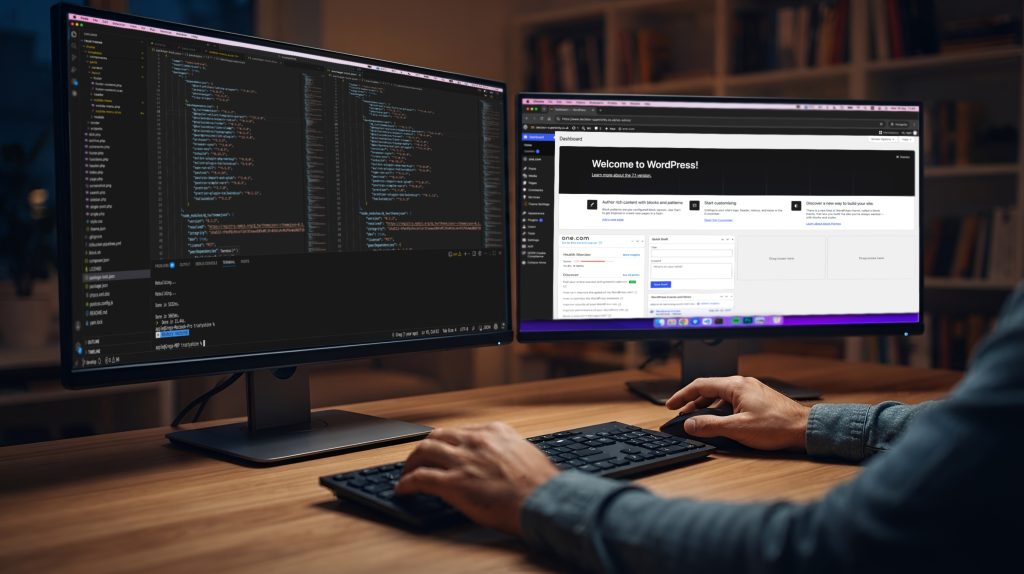
Web Design vs. Web Development – an explainer from Tekcreative

Web Design: Crafting Digital Experiences with Artistry and Intuition

At its core, web design is the creative heartbeat of your online presence. It’s where aesthetics meet functionality, and user experience takes centre stage. Here’s a glimpse into what makes up the intricate tapestry of web design:

  • Wireframing: Think of wireframing as the blueprint for your digital abode. It’s the skeletal framework upon which the entire user experience is built, outlining the layout and flow of your website’s elements.
  • UX Design (User Experience): Ever visited a website that felt like a labyrinth of confusion? That’s where UX design comes in. It’s all about crafting seamless, intuitive pathways for your visitors, ensuring they can navigate your digital landscape with ease and delight.
  • UI Design (User Interface): UI design is the visual expression of your brand’s personality. It encompasses everything from colour schemes and typography to buttons and menus, creating a cohesive and visually stunning interface that captivates your audience.
  • Prototyping: Prototyping bridges the gap between imagination and reality. It allows you to interact with a tangible representation of your website before a single line of code is written, providing invaluable insights and opportunities for refinement.

Web Development: Breathing Life into Digital Dreams

While web design sets the stage, web development is the engine that drives your digital ambitions forward. It’s the intricate web of code that transforms pixels into palpable experiences. Here’s a glimpse into the inner workings of web development:

  • Backend Development: Behind every beautiful website lies a robust backend infrastructure. Backend developers are the architects of this digital foundation, building and maintaining the server-side logic and databases that power your online presence.
  • Frontend Development: Frontend developers are the magicians who bring designs to life. They wield languages like HTML, CSS, and JavaScript to translate visual concepts into interactive experiences, ensuring your website is as functional as it is beautiful.
  • Web Ops (Operations): Web ops professionals are the unsung heroes of the digital world. They handle everything from deployment and scaling to maintenance and security, ensuring your website remains operational and secure around the clock.

Collaboration: Where Design and Development Converge

In the dynamic ecosystem of a digital agency, web design and web development are not isolated entities but rather interconnected threads in the fabric of creation. Here’s how they collaborate to bring your digital dreams to life:

  • Discovery Session: It all begins with a collaborative discovery session, where designers and developers alike immerse themselves in your vision, teasing out its essence and uncovering its unique challenges and opportunities.
  • QA (Quality Assurance): Throughout the design and development process, QA serves as the bridge between vision and execution. Developers provide invaluable feedback to designers, ensuring that technical constraints and requirements are taken into account.
  • Prototyping and Approval: Designs evolve through a cycle of prototyping and approval, with input from both design and development teams shaping the final product, ensuring it’s not only visually stunning but also technically feasible.

Why They're Two Sides of the Same Coin

In the grand tapestry of digital creation, web design and web development are not adversaries but rather symbiotic partners, each bringing its own unique strengths to the table. Here’s why recognizing their individual contributions is crucial:

  • Different Skill Sets: Web design and web development require distinct skill sets, from creativity and intuition to technical prowess and problem-solving acumen.
  • Separate Departments, Unified Vision: While they may operate within separate departments, designers and developers share a unified vision: to create digital experiences that resonate with audiences and drive results.
  • Sold Separately, Thrive Together: While they’re often bundled together, web design and web development can also thrive as standalone services, catering to the diverse needs and priorities of clients.

In Conclusion: Embracing the Symphony of Digital Creation

In the symphony of digital creation, web design and web development are the harmonious notes that give melody to your online presence. By understanding the unique contributions of each discipline, you empower yourself to navigate the digital landscape with confidence, harnessing the full potential of your online ambitions. So, the next time you embark on a digital journey, remember: that web design and web development may be two different paths, but together, they lead to the same destination: digital success.

At TekCreative, we understand the importance of seamless collaboration between web development and web design departments. Whether you require web development and web design as separate services or as part of a comprehensive digital product, we’re here to ensure your vision comes to life flawlessly. From websites to apps to software, TekCreative is committed to delivering the greatest digital product possible.

featured posts

You might also like…

This is three col posts
A Simple Guide for an E-commerce project

Open post

Are You Nailing On-Page Search Engine Optimization (SEO)?

Open post

Headless CMS: A Game-Changer for Modern Websites

Open post

Optimizing WordPress: Streamlining with Essential Plugins

Open post

WooCommerce vs. Shopify in 2026 – E-Commerce Dilemma

Open post
WHY US

Why choose TekCreative?

We’re technical specialists who work across development, rebuilds and migrations, performance optimisation and ongoing support. We look at the code, database, integrations and infrastructure behind a platform, not just the visible frontend.

We don’t recommend a technology simply because it is newer, and we don’t build custom software when an existing platform is sufficient. We assess the requirements, explain the options and choose an approach that fits the project.

Our work is based on measurable technical information wherever possible. We use profiling, testing and performance data to understand what is happening, then use that information to guide the work.

Results You Can Measure

We use technical measurements where they are relevant to the project, including performance data, Core Web Vitals, server response times, database performance and other project-specific indicators.

We Own the Technical Work

We work directly on the platforms we develop and support, with the technical decisions and implementation handled by our development team rather than passed through multiple layers.

We Don't Disappear After Launch

Launch is not necessarily the end of the technical work. We can continue with monitoring, maintenance, troubleshooting, performance improvements and further development as the platform evolves.

50+

Projects Delivered

5+

Years of Expertise

CONTACT US

Get in touch

Have a platform that needs improving, a new system to build, a migration to plan or technical problems that need investigating? Tell us what you’re working with, and we’ll give you a clear view of the possible approach.

Give us a call and get an answer in seconds

Speak directly with our team about your platform, what you’re trying to improve and the technical challenges you’re facing. We’ll give you an honest view of what would be involved and where we can help.

Fill the contact form and we will contact you

Tell us about your current platform, what isn’t working properly, what you’re trying to build or where you need technical support. We’ll review the details and come back with a clear assessment and next steps.

?>