
Technical SEO Fixes
A website can have strong content and still experience search visibility problems when search engines cannot crawl, understand or index it properly. Technical issues with URLs, redirects, canonical tags, sitemaps, internal linking and structured data can all affect how a website is discovered and processed.
We investigate the technical layer behind your website to identify what is actually preventing pages from being crawled or indexed correctly. Rather than applying a generic SEO checklist, we look at the specific issues affecting your platform and address them at the source.
Our technical SEO work covers XML sitemaps, canonical tags, crawlability, indexing, structured data, URL architecture and other technical factors that affect how search engines interact with your website.

Make Your Site Easier for Search Engines to Understand
Technical SEO provides the foundation that allows your content to be discovered, crawled and indexed properly. We review the technical structure of your website and identify issues that may be preventing search engines from accessing important content or understanding which pages should be indexed. This can include incorrect canonical tags, broken redirects, poorly structured sitemaps, duplicate URLs, indexing directives and unnecessary crawl paths.
Where structured data is appropriate, we can also implement or correct schema markup so search engines have clearer information about the content of your pages. The aim is to remove technical barriers and give search engines a clearer, more consistent representation of your website
What Our Technical SEO Service Covers
We work through the technical layer that search engines interact with directly, investigating the specific issues affecting crawling, indexing and page understanding.
- XML sitemap optimisation: Reviewing sitemap structure, included URLs and update behaviour so important pages are represented correctly.
- Canonical tag structure: Identifying incorrect or inconsistent canonical URLs and ensuring the preferred version of a page is clearly defined.
- Crawlability analysis: Investigating robots directives, URL parameters, internal links and other factors that can affect how search engines crawl the website.
- Structured data implementation: Adding or correcting relevant schema markup to help search engines understand the content and purpose of pages.
- Indexing diagnosis: Investigating pages that are not appearing in search results and identifying the technical reason rather than assuming the cause.
Why We Diagnose Before We Fix
Technical SEO problems can have several different causes. A page may be excluded because of a canonical tag, blocked by a robots directive, missing from the sitemap, inaccessible through internal links or affected by another technical configuration.
Applying the same checklist to every website does not necessarily address the actual problem.
We look at the website’s crawl and indexing behaviour before deciding what needs to change. This can include reviewing Search Console data, crawl results, URL structures, directives and the way the website generates pages.
This gives us a clearer picture of what search engines are actually seeing and allows the technical work to focus on the issues that matter.
What You Get
- A technical review of crawling and indexing issues.
- XML sitemap and URL structure analysis.
- Canonical tag and duplicate URL review.
- Crawlability and robots directive checks.
- Structured data review and implementation where appropriate.
- Investigation of pages that are not being indexed.
- Technical recommendations based on the issues found.
- Changes tested before being introduced to the live website.
The Business Problems This Solves
Technical SEO problems can remain hidden for a long time. A page can exist on your website and appear completely normal to visitors while still being excluded from search results or difficult for search engines to discover.
Duplicate URLs can create unnecessary crawl activity, incorrect canonical tags can identify the wrong version of a page, and poor internal linking can make important content harder to discover. On larger websites, parameters, filters and automatically generated URLs can also create significant numbers of pages that search engines do not need to crawl.
By addressing these issues at the technical level, we can make the website easier to crawl and give search engines clearer signals about which pages are important.
If you suspect that Google is not crawling or indexing your website correctly, we can investigate the current setup and identify what needs attention.

More Discoverable Content
A well-structured sitemap, internal linking and crawlable URL structure can make it easier for search engines to discover important pages across the website.

Clearer URL Signals
Canonical tags, redirects and consistent URL structures help search engines understand which versions of pages should be considered when similar URLs exist.

Better Crawl Efficiency
Reducing unnecessary URLs, duplicate paths and avoidable crawl activity can help search engines spend their available crawling resources on the content that matters.

Structured Content Understanding
Relevant structured data gives search engines additional information about the content and purpose of a page and may make eligible pages suitable for enhanced search features.
CASE STUDIES
Technical SEO Projects
Explore examples of our work across WordPress development, eCommerce platforms and complex digital projects.
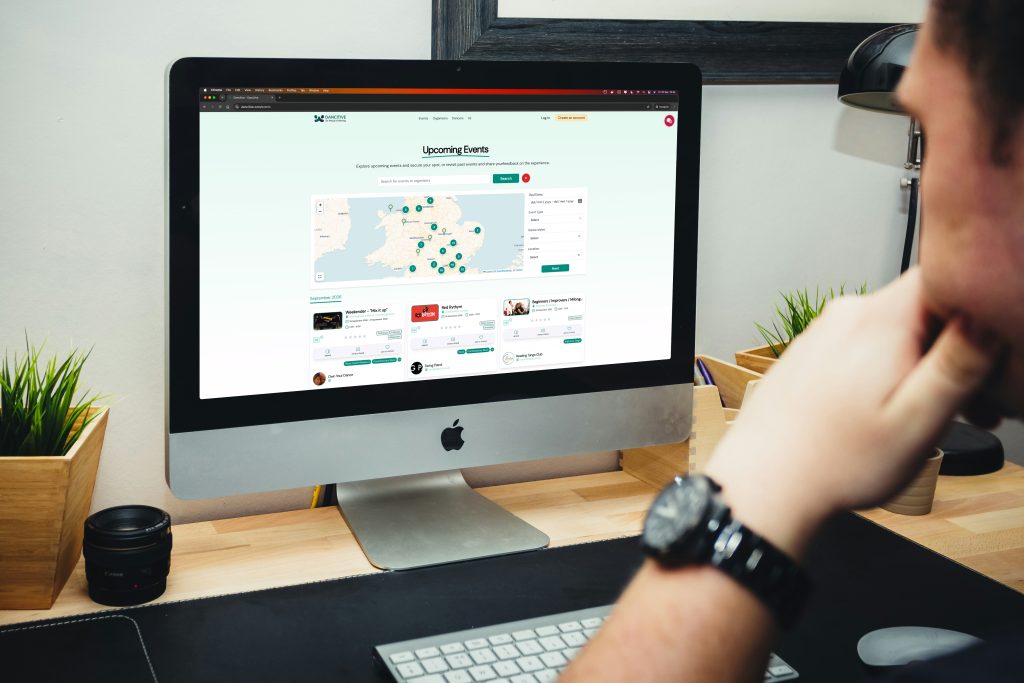
Dancitive
Dancitive connects dancers, events and organisers through a purpose-built platform for the partner-dance community. It combines event discovery, social interactions, dance assessments, personal journals and organiser management tools in one digital experience.
Open post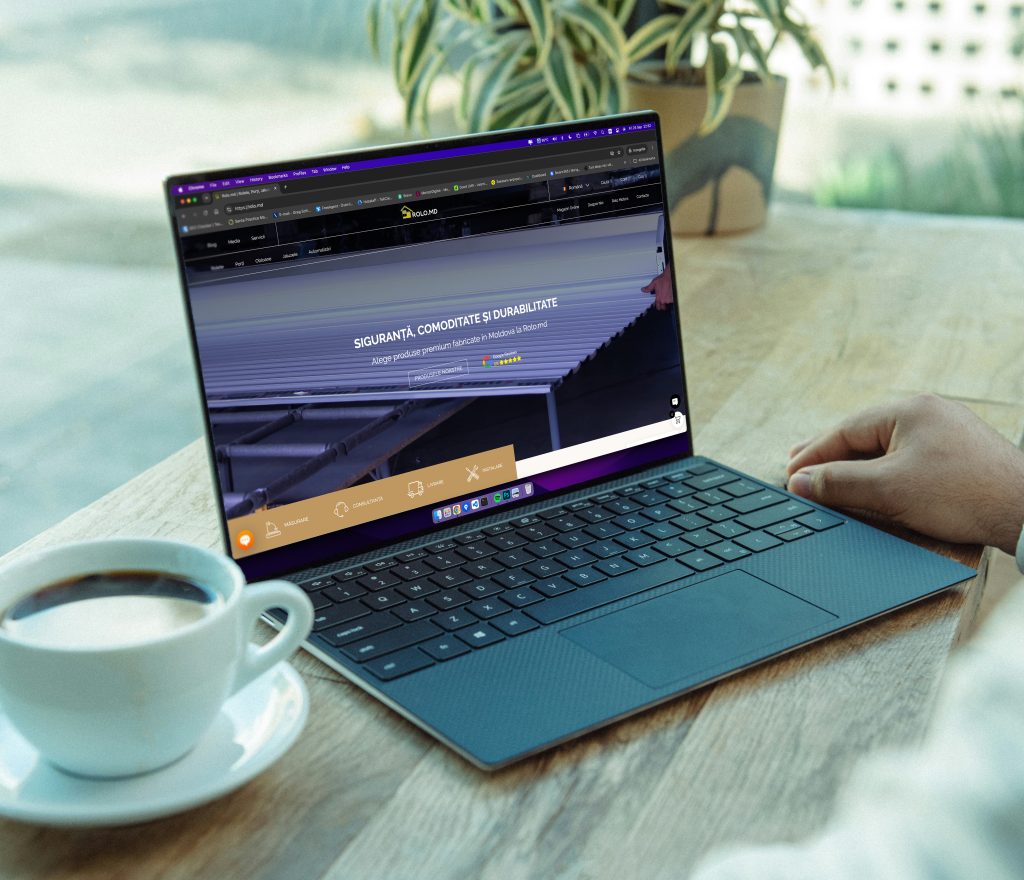
Rolo
A complete WooCommerce rebuild with custom design and branding positioning Rolo as a premium European manufacturer across Romanian and Russian markets. Comprehensive technical SEO, merchant payment processing, analytics tracking and multilingual product management drive qualified traffic and convert customers across regional markets.
Open postStart Your Project
If you’re experiencing indexing problems, technical SEO issues or unexpected changes in search visibility, we can assess the current website and identify the underlying technical problems.
FAQ
Your Technical SEO Questions Answered
These are some of the questions we commonly hear from businesses dealing with crawling, indexing and technical SEO problems.
What is crawl budget and does it matter for my website?
Crawl budget refers to the amount of crawling Google allocates to a website over a period of time. It becomes more relevant on larger or technically complex websites where search engines may spend significant resources crawling duplicate, parameter-based or otherwise low-value URLs.
What are canonical tags?
A canonical tag tells search engines which URL should be treated as the preferred version when similar or duplicate content is available at multiple URLs. We review canonical implementation to make sure it reflects the actual structure of the website.
What is structured data and do I need it?
Structured data is markup that provides search engines with additional information about the content of a page. Depending on the type of content, it can help a page qualify for certain enhanced search features. We implement relevant structured data where there is a clear reason to use it.
How often should an XML sitemap be updated?
Ideally, the sitemap should reflect the current pages that you want search engines to discover and should be updated when relevant content is added, removed or changed. Many CMS platforms can manage this automatically, but the implementation should still be reviewed to make sure the sitemap contains the right URLs.
How long does it take to see results from technical SEO fixes?
Technical changes can sometimes be reflected relatively quickly after a search engine recrawls the affected pages, but the timing varies. Changes to search visibility and rankings can take longer and depend on the website, the issue being addressed and how search engines reassess the affected pages.
Will technical SEO fixes break my website?
Technical SEO changes can affect website behaviour if they are implemented incorrectly, so we test changes in a controlled environment where possible before deployment. We also consider how changes to URLs, redirects, indexing directives and structured data interact with the existing website.
CONTACT US
Ready to Fix Your Technical SEO Problems?
If important pages are not being indexed, search engines are crawling the wrong URLs or you’re unsure whether your technical setup is working correctly, we can investigate the underlying issue

Give us a call and get an answer in seconds
Speak directly with our team about your platform, what you’re trying to improve and the technical challenges you’re facing. We’ll give you an honest view of what would be involved and where we can help.
Fill the contact form and we will contact you
Tell us about your current platform, what isn’t working properly, what you’re trying to build or where you need technical support. We’ll review the details and come back with a clear assessment and next steps.