
Accessibility Improvements
Accessibility is an important part of building a website that can be used by as many people as possible. Problems with keyboard navigation, headings, forms, colour contrast and screen reader support can make a website difficult or impossible to use for people with different accessibility needs.
We audit websites against the relevant WCAG requirements and identify issues through a combination of automated testing, technical analysis and manual checks. We then address the problems found within the website’s underlying code and components.
For businesses operating in the UK, accessibility can also have legal considerations under the Equality Act 2010, while public sector websites and apps have specific accessibility obligations. The exact requirements depend on the organisation and service, so we focus on the actual requirements that apply to your website rather than making blanket compliance claims.
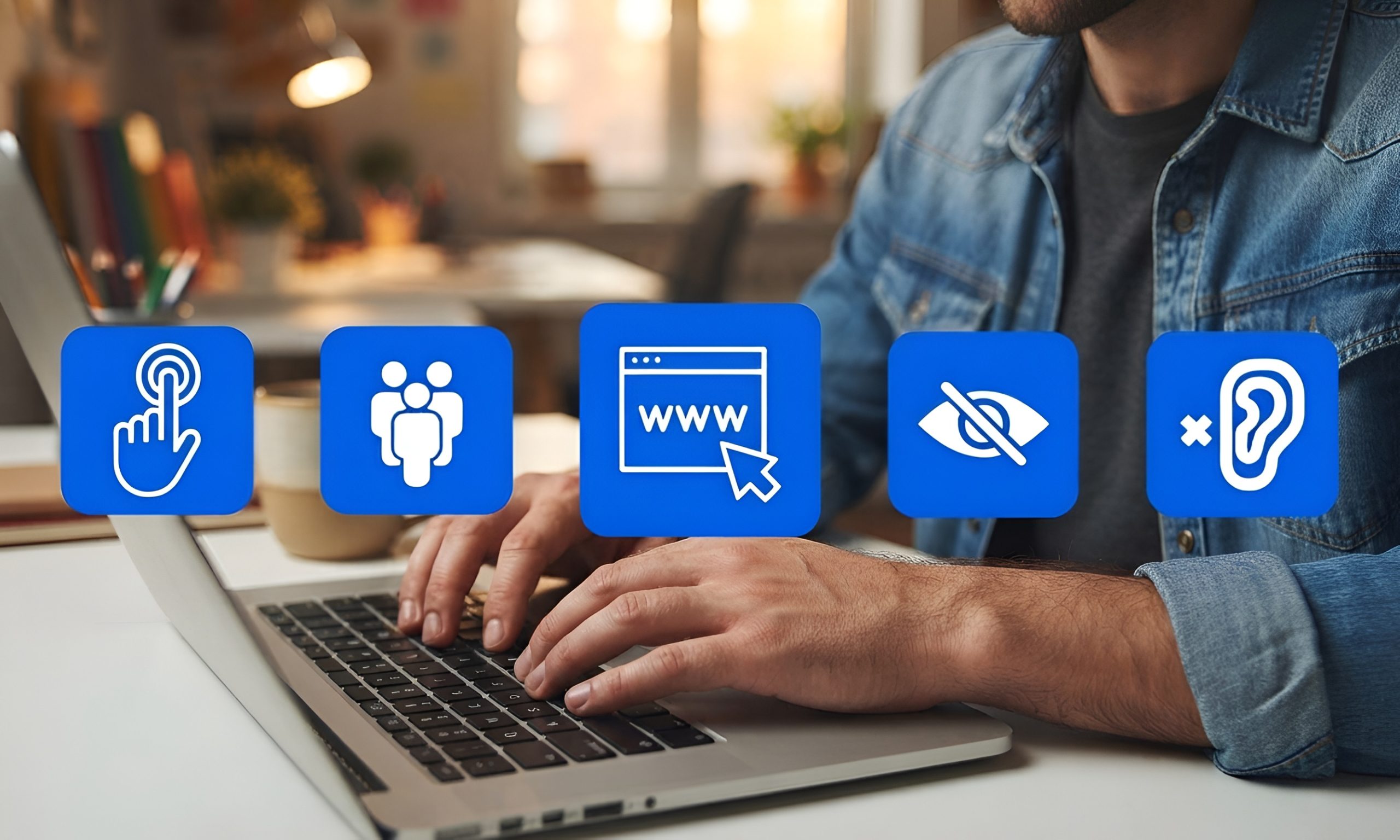
A Website That Works for More People
Accessibility is not simply about passing an automated test. A website can achieve a good score while still being difficult to navigate with a keyboard, confusing for screen reader users or problematic for people with low vision. We review the way the website is structured and how its interactive elements actually work. This includes headings, links, forms, buttons, focus states, keyboard navigation, colour contrast, images and other components that affect how people interact with the site.
Our work is based on the Web Content Accessibility Guidelines (WCAG), an international standard covering a wide range of accessibility requirements. WCAG 2.1 and WCAG 2.2 both provide Level AA conformance criteria, with WCAG 2.2 now used by UK public sector accessibility regulations.The aim is to identify practical accessibility problems and fix them within the website itself, rather than relying on an overlay or a single automated score.
What Our Accessibility Service Covers
We review the areas of a website that most commonly create barriers for users with different accessibility needs.
- WCAG accessibility audits: Reviewing the website against relevant WCAG criteria and identifying issues that require attention.
- Keyboard navigation: Making sure interactive elements can be reached and operated without relying on a mouse.
- Screen reader support: Reviewing semantic HTML, headings, labels, landmarks and other information used by assistive technologies.
- Colour contrast: Checking text, controls and important interface elements against relevant contrast requirements.
- Forms and interactive elements: Reviewing labels, validation, focus states, error messages and other interactions that can create accessibility problems.
- Accessibility remediation: Fixing identified issues within the code, templates and components rather than simply documenting them.
Why We Test More Than an Automated Score
Automated accessibility tools are useful for identifying many common problems, but they cannot reliably detect every accessibility issue.
A tool can identify missing alt text, insufficient colour contrast or certain structural problems. It cannot always determine whether a keyboard user can actually complete a task, whether a heading structure makes sense or whether a custom component communicates the right information to a screen reader.
We therefore combine automated testing with manual checks and technical review. This gives us a better understanding of how the website behaves for different users and where the underlying implementation needs to change.
What You Get
- A structured accessibility assessment based on relevant WCAG requirements.
- Identification of accessibility issues across the website.
- Keyboard navigation and focus behaviour reviewed.
- Semantic HTML, headings and screen reader support reviewed.
- Colour contrast and visual accessibility checks.
- Forms and interactive components assessed.
- Accessibility issues fixed within the underlying implementation.
- Testing after remediation to verify the changes made.
- Clear identification of any remaining issues or areas requiring further work.
The Business Problems This Solves
Accessibility problems can be difficult to notice if you are not using the website in the same way as someone who relies on a keyboard, screen reader, magnification or other assistive technology. A navigation menu that only works with a mouse, a form without usable labels or text with insufficient contrast may appear perfectly normal to some visitors while creating a significant barrier for others.
Addressing these issues can make the website easier to use for a wider range of people and can also improve the overall quality of the underlying implementation. Clear headings, descriptive links, properly structured forms and predictable interactions are useful to many users, not only those with a disability. Accessibility can also form part of an organisation’s legal obligations. In the UK, public sector bodies are subject to specific accessibility regulations, while the Equality Act 2010 provides broader protections against disability discrimination. The requirements that apply depend on the type of organisation and service.
If you’re unsure how accessible your website currently is, we can assess the existing implementation and identify the areas that need attention.

A More Inclusive User Experience
Accessible navigation, readable content, clear forms and predictable interactions make it easier for people with different abilities to use your website.

Better Keyboard Navigation
Keyboard accessibility is important for people who cannot use a mouse, but it can also benefit users who prefer keyboard navigation or use alternative input devices.

Clearer Content Structure
Proper headings, semantic HTML, descriptive links and meaningful page structure help assistive technologies interpret the content and can make websites easier to navigate generally.

More Robust Interfaces
Accessibility improvements often require better implementation of buttons, forms, focus states and interactive components. This can result in interfaces that behave more consistently across devices and browsers.
CASE STUDIES
Accessibility Improvements in Practice
Explore examples of our work across WordPress development, client portals and complex digital platforms.
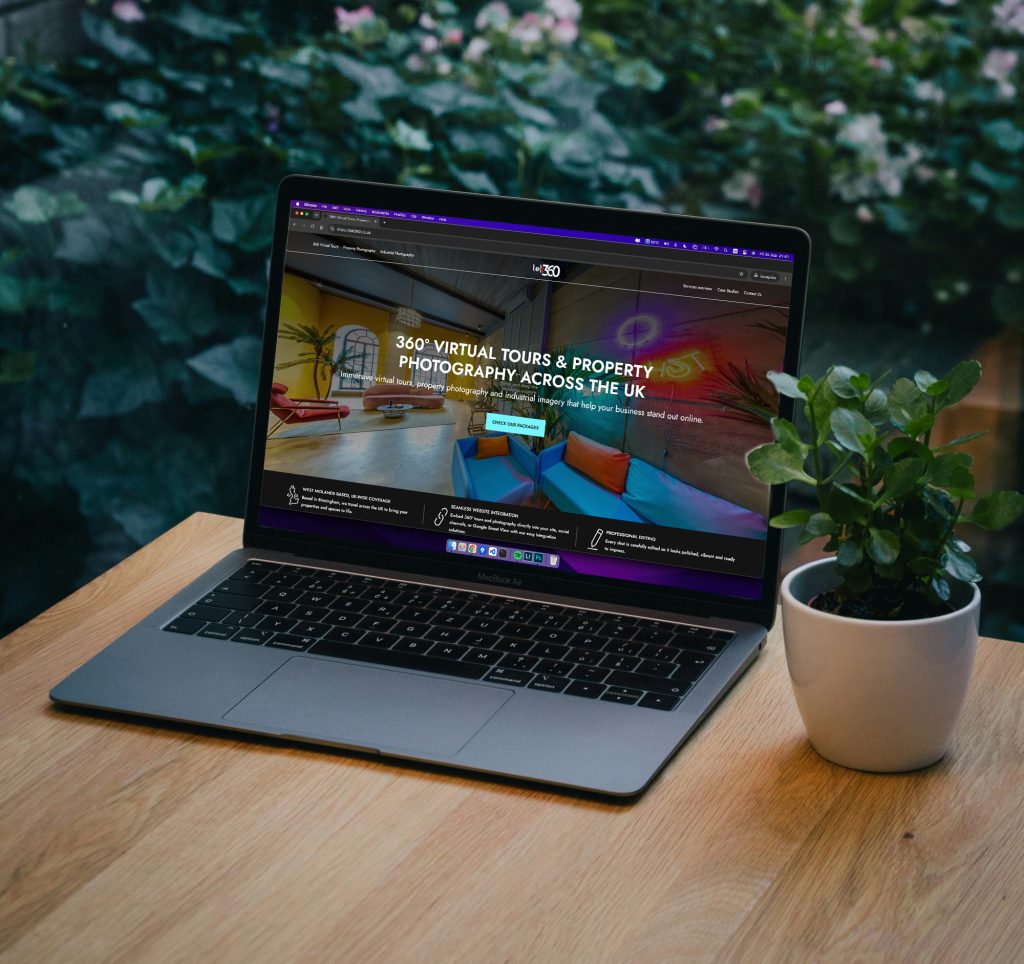
Tek360
A custom WordPress brochure website with ACF Pro flexible content blocks and Gutenberg editor giving Tek360 complete control over service presentation and portfolio management. Custom 360 tour player plugin, optimised server infrastructure for media delivery, analytics tracking and email automation convert visitor interest into qualified service enquiries.
Open post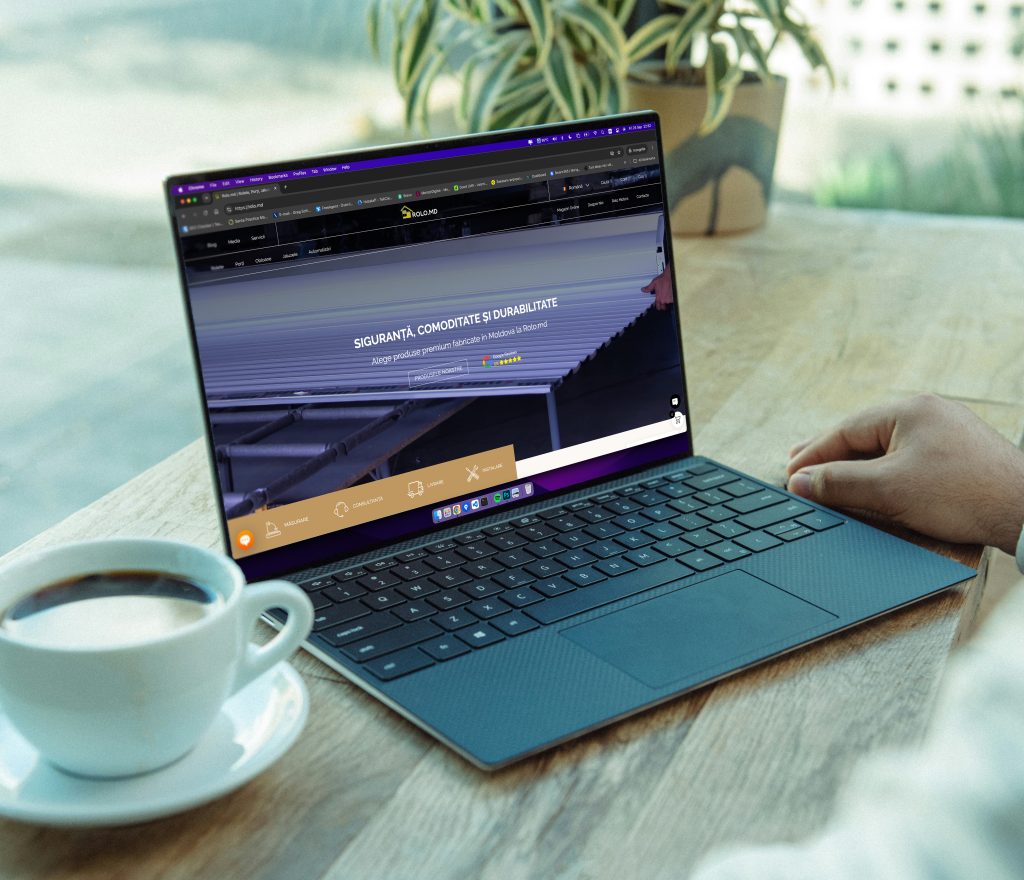
Rolo
A complete WooCommerce rebuild with custom design and branding positioning Rolo as a premium European manufacturer across Romanian and Russian markets. Comprehensive technical SEO, merchant payment processing, analytics tracking and multilingual product management drive qualified traffic and convert customers across regional markets.
Open postStart Your Project
If you’re concerned about accessibility, have received an audit with issues you need fixed or want to improve the accessibility of an existing website, we can assess the current implementation and define the appropriate approach.
FAQ
Your Accessibility Questions Answered
These are some of the questions we commonly hear from businesses reviewing or improving the accessibility of their websites.
Is my website legally required to be accessible?
The legal position depends on the type of organisation, the services it provides and where it operates. UK public sector bodies have specific accessibility requirements under the Public Sector Bodies Accessibility Regulations. The Equality Act 2010 also provides protections against disability discrimination that can apply to services and digital experiences. We can help identify the technical accessibility requirements relevant to your website, but legal compliance should be confirmed with an appropriate legal adviser.
What does WCAG 2.1 AA mean?
WCAG is the Web Content Accessibility Guidelines developed by the W3C. Level AA includes the Level A and Level AA success criteria. WCAG 2.1 covers accessibility requirements across areas including visual, auditory, physical and cognitive accessibility.
Should we use WCAG 2.1 or WCAG 2.2?
This depends on the requirements that apply to your organisation. WCAG 2.2 is the newer version and is currently the standard referenced for UK public sector accessibility regulations. WCAG 2.1 remains widely used and is still a valid W3C Recommendation. We can work against the appropriate version for the project requirements.
How long does it take to make a website accessible?
This depends on the size and complexity of the website and the number and type of issues identified. A smaller website with a limited number of problems may require relatively little development work, while larger websites with custom components can require a more extensive remediation process. We can provide a clearer timeline after the initial assessment.
Will accessibility changes affect how my site looks?
Many accessibility improvements are made within the underlying HTML, CSS and JavaScript without changing the visual design. Some issues, such as insufficient colour contrast or unclear focus states, may require visual adjustments. Where changes are needed, we work within the existing design and brand requirements.
Can you provide an accessibility statement?
We can help prepare the technical information for an accessibility statement and identify known accessibility issues and remediation work. Public sector organisations have specific requirements for publishing accessibility statements, so the final statement should reflect the organisation’s actual compliance position.
How much do accessibility improvements cost?
The cost depends on the size of the website, the number of issues found and how much of the existing implementation needs to be changed. We can assess the current website first and provide a quote based on the actual remediation work required.
CONTACT US
Ready to Improve Your Website Accessibility?
If you’re concerned about accessibility, have an existing audit that identified problems or want to understand how your website performs against WCAG, we can assess the current implementation and identify the work required.

Give us a call and get an answer in seconds
Speak directly with our team about your platform, what you’re trying to improve and the technical challenges you’re facing. We’ll give you an honest view of what would be involved and where we can help.
Fill the contact form and we will contact you
Tell us about your current platform, what isn’t working properly, what you’re trying to build or where you need technical support. We’ll review the details and come back with a clear assessment and next steps.