
Platform Migrations
Moving from one platform to another involves much more than transferring pages, products or customer records. Existing websites often contain custom functionality, integrations, data structures and processes that need to be understood before anything is moved.
We map the existing platform, identify its dependencies and define how the data and functionality will work on the new system. The migration is then developed and tested in a controlled environment before the final transition.
Whether you’re moving from Shopify to WooCommerce, replacing a custom PHP application or changing the architecture behind an existing platform, we focus on making the transition controlled, tested and appropriate for the requirements of the business.
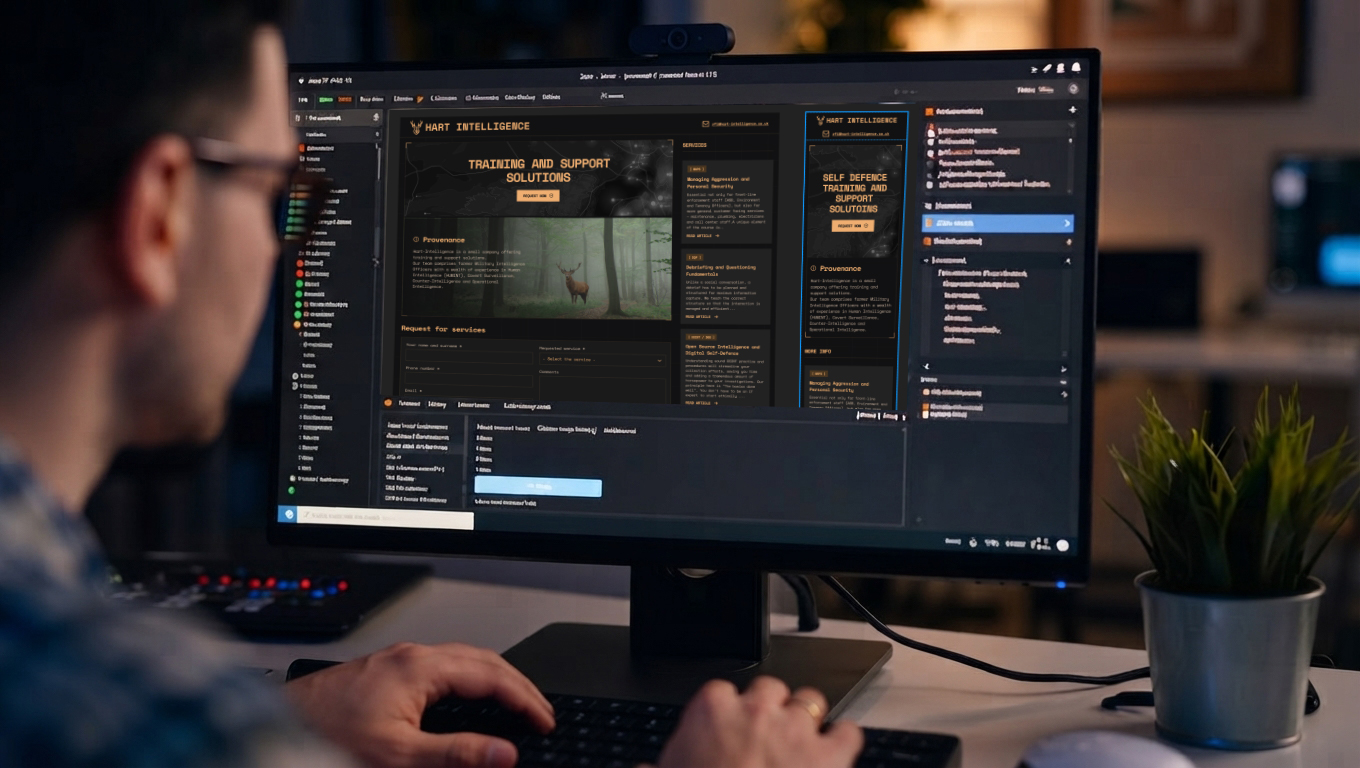
Move to a New Platform Without Losing What Matters
A platform migration should improve the technical foundation of your business without creating new problems during the transition.
We start by understanding how the existing system works, including its data, integrations, user accounts, business processes and dependencies. This allows us to identify what needs to be migrated, what needs to be rebuilt and what can be simplified.
The new platform is prepared and tested before the live transition. Data transformations, integrations, functionality and other critical parts of the system can be validated before the final cutover.
The result is a planned move to a platform that better fits your current requirements, without treating the migration itself as an afterthought.
What Our Platform Migration Service Covers
We treat platform migration as a technical planning and risk management exercise before carrying out the actual move.
- Platform and dependency mapping: We identify integrations, data flows, custom functionality and external services connected to the existing platform.
- Data migration and transformation: Data is mapped between the old and new systems, with appropriate transformations and validation where the structures differ.
- Staging and migration testing: The migration process can be tested against representative data and functionality before the live transition.
- Platform and architecture changes: We can work across platforms such as WordPress, WooCommerce, Shopify and bespoke applications, depending on the requirements.
- Cutover and recovery planning: The final transition is planned around the technical requirements of the project, with backups and recovery procedures considered before launch.
Why We Map and Test Before We Migrate
The difficult part of a migration is often not moving the obvious content. It is understanding everything connected to the existing platform.
A website may exchange data with a CRM, accounting system, payment provider, fulfilment service or internal application. Custom functionality may also depend on specific database structures or processes that are not immediately visible from the frontend.
Mapping these dependencies first gives us a clearer understanding of what the new platform needs to support. Testing the migration before production also allows data transformations, integrations, and functionality to be checked in a controlled environment.
This reduces the number of unknowns at launch and gives the business a clearer migration plan before the live system is changed.
What You Get
A structured migration based on the requirements and dependencies of your existing platform.
- A clear map of the systems, integrations and functionality involved in the migration.
- Data migration planned around the structure of both the existing and new platforms.
- Migration scripts and transformations tested before the live transition where required.
- Existing functionality reviewed and rebuilt or adapted for the new platform.
- A planned cutover with backups and recovery procedures considered in advance.
- Documentation and technical checks to help confirm the new platform is operating as expected after launch.
The Business Problems This Solves
Businesses usually consider a platform migration because the existing system is becoming too expensive, restrictive, difficult to maintain or unsuitable for what they need next.
Continuing to work around those limitations can make future development more complicated, particularly when the platform has accumulated custom functionality and integrations over time.
A properly planned migration allows you to move to a platform that better matches your current requirements, while also reviewing the technical components that have built up around the existing system.
Whether you’re moving because of platform costs, technical limitations, performance problems or the need for greater control, we can assess the current setup and define what the migration would involve.

Better Fit
Move to a platform that better matches your products, workflows, integrations and operational requirements.

Greater Control
Reduce dependence on platform limitations where your business requires more control over data, functionality or infrastructure.

Improved Maintainability
Replace outdated or increasingly difficult systems with a platform that can be maintained and developed more effectively.

Room to Develop
Create a technical foundation that can support new functionality, integrations and changes to the business.
CASE STUDIES
Platform Migration Projects
Explore examples of our work across eCommerce, custom development and complex digital platforms.

Financial Agent
A multilingual WordPress broker platform with custom theme, advanced ACF Pro fields and server infrastructure optimized for performance and conversion. Comprehensive GDPR compliance, Google Analytics integration, email automation and CMS training ensure independent platform management across English, Romanian and Russian-speaking markets.
Open post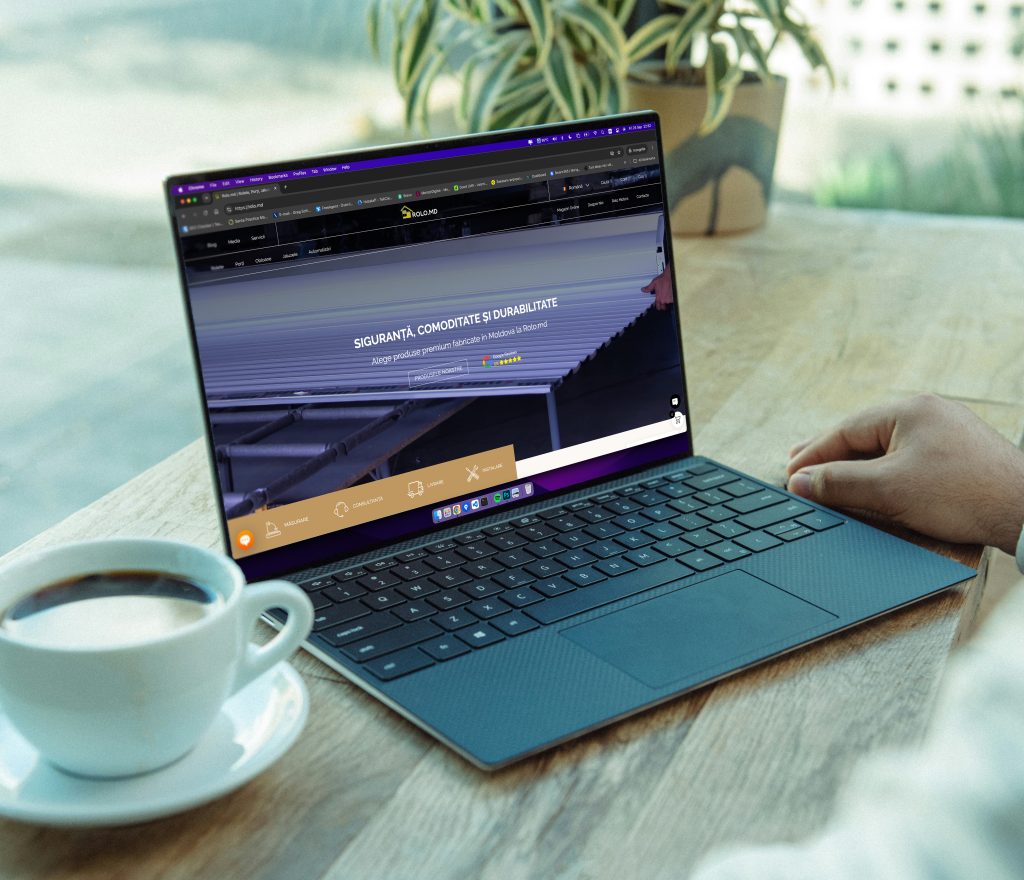
Rolo
A complete WooCommerce rebuild with custom design and branding positioning Rolo as a premium European manufacturer across Romanian and Russian markets. Comprehensive technical SEO, merchant payment processing, analytics tracking and multilingual product management drive qualified traffic and convert customers across regional markets.
Open postStart your migration project
Whether you’re moving away from an outdated CMS, replacing a custom application or looking for more control over your eCommerce platform, we can assess the existing system and define the right migration approach.
FAQ
Your Platform Migration Questions Answered
Moving platforms raises practical questions about downtime, data, SEO and existing integrations. Here are some of the questions businesses commonly ask before starting a migration.
Will my website be down during the migration?
We normally prepare and test the new platform separately while the existing website remains live. The final transition is then planned around the technical requirements of the project and can often be carried out during a suitable low traffic period. The actual interruption depends on the platform and migration method.
Will I lose my Google rankings?
A platform migration can affect organic search performance if URLs, content or technical SEO elements change incorrectly. We review URL structures, redirects, metadata, canonical tags and other relevant SEO requirements as part of the migration to reduce unnecessary changes to existing search visibility.
How long does a platform migration take?
The timeline depends on the platforms involved, the amount of data, custom functionality, integrations and testing required. A straightforward website migration may take considerably less time than a complex eCommerce or application migration. We provide a more accurate timeline after reviewing the existing system.
What happens to customer accounts and order history?
This depends on the source and destination platforms. We map the relevant customer, order and account data and determine how it can be transferred. Some platforms have specific requirements around passwords or account authentication, so these are assessed during the migration planning stage.
What if something goes wrong during migration?
We plan recovery procedures before the live transition. Depending on the platform, this can include verified backups, environment snapshots and documented steps for returning to the previous system if an unexpected issue occurs.
Can you migrate CRM and marketing data too?
Yes, where the systems provide the required access and data can be transferred or synchronised. We can assess CRM records, customer data, marketing lists, analytics and other connected systems as part of the wider migration rather than treating the website as an isolated system.
CONTACT US
Ready to Move to a Better Platform?
If your current platform has become restrictive, expensive or difficult to maintain, we can assess the existing system and determine what would be involved in moving to a better fit.

Give us a call and get an answer in seconds
Speak directly with our team about your platform, what you’re trying to improve and the technical challenges you’re facing. We’ll give you an honest view of what would be involved and where we can help.
Fill the contact form and we will contact you
Tell us about your current platform, what isn’t working properly, what you’re trying to build or where you need technical support. We’ll review the details and come back with a clear assessment and next steps.