
Continuous Improvements
A website or application should not be left unchanged until something breaks. As software is updated, dependencies change, databases grow and new functionality is added, technical issues can gradually build up.
Our Continuous Improvements service focuses on the ongoing development and maintenance that keeps your platform maintainable, secure and ready for change. This can include refactoring, dependency updates, technical debt reduction, performance improvements and smaller development tasks that are easier to address as part of regular technical work.
We review the platform regularly, identify areas that need attention and prioritise improvements based on their technical importance and the needs of the business.
Prevent Problems From Becoming Larger Projects
Continuous improvement is about addressing technical issues while they are still manageable. A website can accumulate technical debt through quick fixes, outdated dependencies, unused code, inefficient database structures or functionality that has become difficult to maintain. Leaving these issues untouched can make future development more complicated.
We can review the existing platform, identify areas that would benefit from improvement and carry out the appropriate technical work. This may include refactoring code, updating dependencies, improving performance, removing unnecessary technical overhead or preparing the platform for new functionality. The aim is not to change things simply for the sake of change. We focus on improvements that provide a practical benefit to the stability, maintainability or future development of the platform.
What Our Continuous Improvements Service Covers
We work across the technical areas that can gradually become more difficult to manage as a website or application develops.
- Technical debt reduction: Identifying outdated, duplicated or unnecessarily complex code and improving it where there is a practical benefit.
- Code refactoring: Restructuring existing code to make it easier to understand, maintain and extend without changing the intended functionality.
- Dependency updates: Reviewing and updating libraries, frameworks, plugins and other dependencies where appropriate.
- Performance improvements: Addressing technical bottlenecks identified through ongoing monitoring or development work.
- Architecture improvements: Improving parts of the application structure when the existing approach is creating unnecessary limitations.
- Development improvements: Making smaller changes and technical enhancements that keep the platform aligned with changing business requirements.
Why Continuous Improvement Matters
Technical problems rarely appear all at once. A small workaround here, an outdated dependency there, and a few changes made without revisiting the original architecture can gradually make a platform harder to work with.
This can affect more than development. Technical debt can make bugs harder to investigate, new functionality more complicated to implement, and updates more difficult to introduce safely.
Regular technical improvements give us an opportunity to address these issues as part of the normal development cycle.
Rather than waiting until the platform requires a major rebuild, we can identify areas that need attention and improve them incrementally where that makes sense.
What You Get
- Regular review of the technical areas that need attention.
- Identification of technical debt and outdated components.
- Code refactoring where it provides a practical benefit.
- Dependency and framework updates where appropriate.
- Performance improvements based on identified bottlenecks.
- Improvements to application structure and maintainability.
- Smaller development tasks handled alongside ongoing technical work.
- Clear recommendations when a larger project or rebuild would be more appropriate.
The Business Problems This Solves
As a platform develops, technical complexity can gradually become a business problem. A simple change may take longer because the existing code is difficult to understand. A new integration may require workarounds because the architecture was not designed for it. An update may introduce compatibility issues because several components are no longer aligned.
Continuous improvements help address these problems before they become larger development projects.
The work might involve cleaning up an inefficient part of the codebase, replacing an outdated dependency, improving a database query or restructuring functionality that has become difficult to extend.
If your website works but feels increasingly difficult to maintain or develop, we can assess the current platform and identify where incremental improvements would make sense.

Reduce Technical Debt
Addressing outdated or unnecessarily complex parts of the codebase can make future development easier to manage.

Keep Dependencies Current
Regularly reviewing libraries, frameworks, plugins and other dependencies helps identify components that need updating or replacing.

Improve Maintainability
Refactoring and architectural improvements can make the platform easier to understand, extend and troubleshoot.

Prepare for Future Development
Improving the technical foundation makes it easier to introduce new functionality without continually working around limitations in the existing platform.
CASE STUDIES
Continuous Improvements in Practice
Explore examples of our work across WordPress development, eCommerce platforms and complex digital systems.
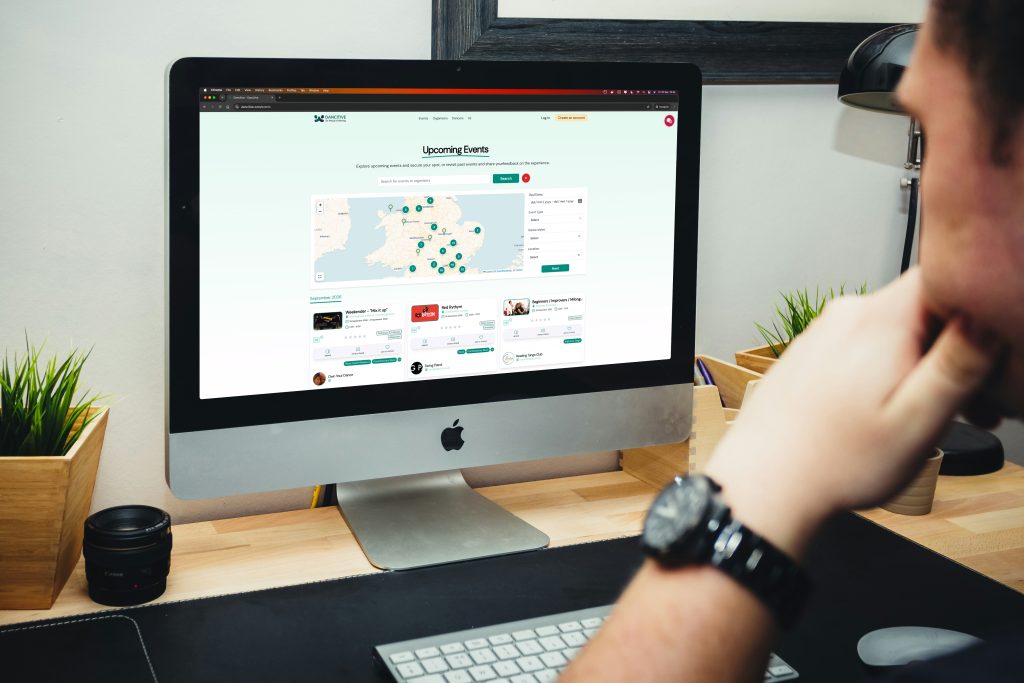
Dancitive
Dancitive connects dancers, events and organisers through a purpose-built platform for the partner-dance community. It combines event discovery, social interactions, dance assessments, personal journals and organiser management tools in one digital experience.
Open post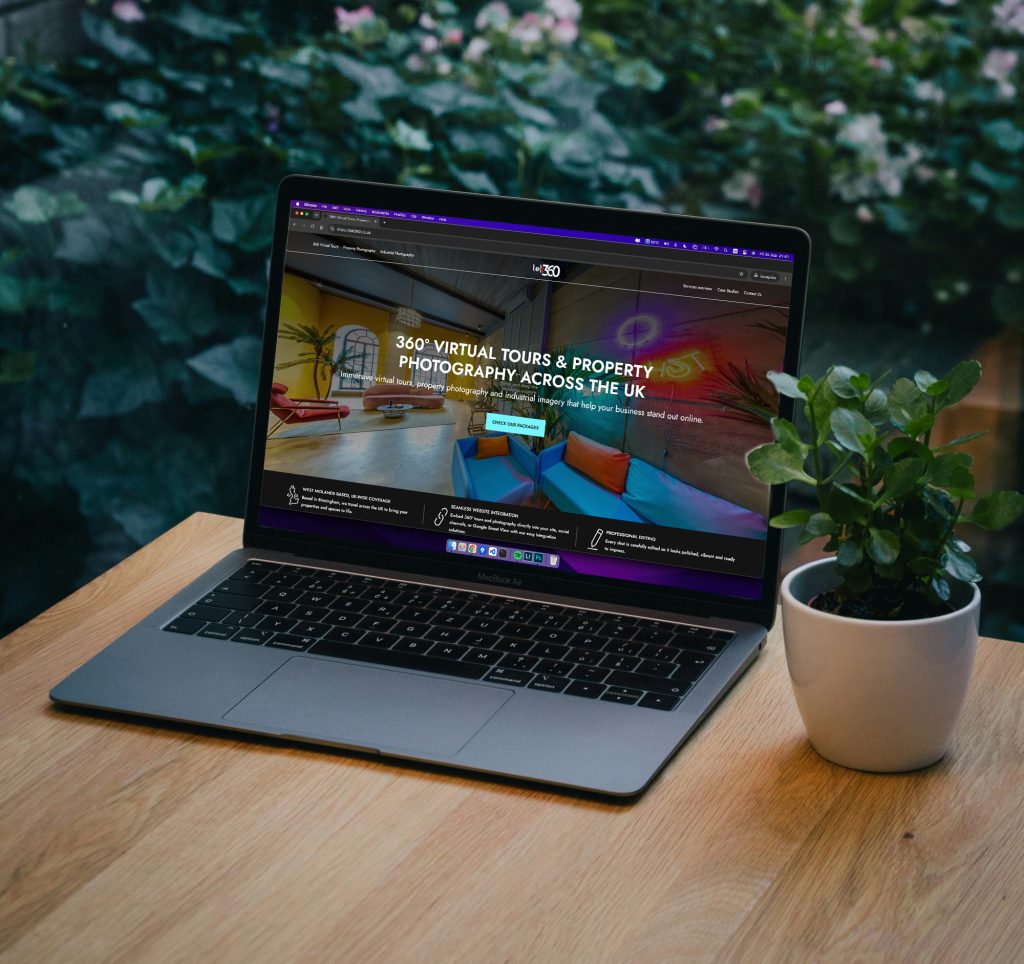
Tek360
A custom WordPress brochure website with ACF Pro flexible content blocks and Gutenberg editor giving Tek360 complete control over service presentation and portfolio management. Custom 360 tour player plugin, optimised server infrastructure for media delivery, analytics tracking and email automation convert visitor interest into qualified service enquiries.
Open postStart Your Project
If your website is becoming difficult to maintain, you have technical debt building up or you want to keep improving an existing platform, we can assess the current setup and recommend where to focus.
FAQ
Your Continuous Improvement Questions Answered
These are some of the questions we commonly hear from businesses looking for ongoing technical development and maintenance.
How often should a website be reviewed?
There is no single schedule that suits every platform. The appropriate frequency depends on the technology, complexity, rate of change and level of ongoing development. We can recommend an appropriate approach after reviewing the existing system.
What is technical debt?
Technical debt describes the additional work created by quick fixes, outdated technology, duplicated code, complex architecture or other decisions that make future development more difficult. Some technical debt is reasonable, but unmanaged technical debt can gradually increase development effort and risk.
Do you only work on websites you built?
No. We can take over existing websites and applications built by other agencies, freelancers or internal teams. We start by reviewing the codebase, infrastructure and dependencies so we understand the platform before making changes.
Can you improve an existing WordPress website without rebuilding it?
Yes. Many improvements can be made without replacing the entire website. We can review the existing theme, plugins, database, custom code and infrastructure and identify which areas can be improved within the current architecture.
Will continuous improvements change how my website looks?
Not necessarily. Much of this work happens within the technical implementation and does not require changes to the visual design. Where a technical improvement affects functionality or the user interface, we can agree the changes before development.
How much does continuous improvement cost?
The cost depends on the platform, technical requirements and the amount of development work involved. We can review the existing system and recommend an appropriate approach rather than applying the same package to every website.
Do you provide reports on the work completed?
Yes. Where ongoing support includes regular reporting, we can provide a clear summary of work completed, issues identified, changes made and recommendations for further development.
CONTACT US
Ready to Keep Improving Your Platform?
If your platform has accumulated technical debt, outdated dependencies or areas that have become difficult to maintain, we can assess the existing system and identify practical improvements.

Give us a call and get an answer in seconds
Speak directly with our team about your platform, what you’re trying to improve and the technical challenges you’re facing. We’ll give you an honest view of what would be involved and where we can help.
Fill the contact form and we will contact you
Tell us about your current platform, what isn’t working properly, what you’re trying to build or where you need technical support. We’ll review the details and come back with a clear assessment and next steps.